Croissant Recipes at Home
Highlighted under: Cakes & Sweet Treats
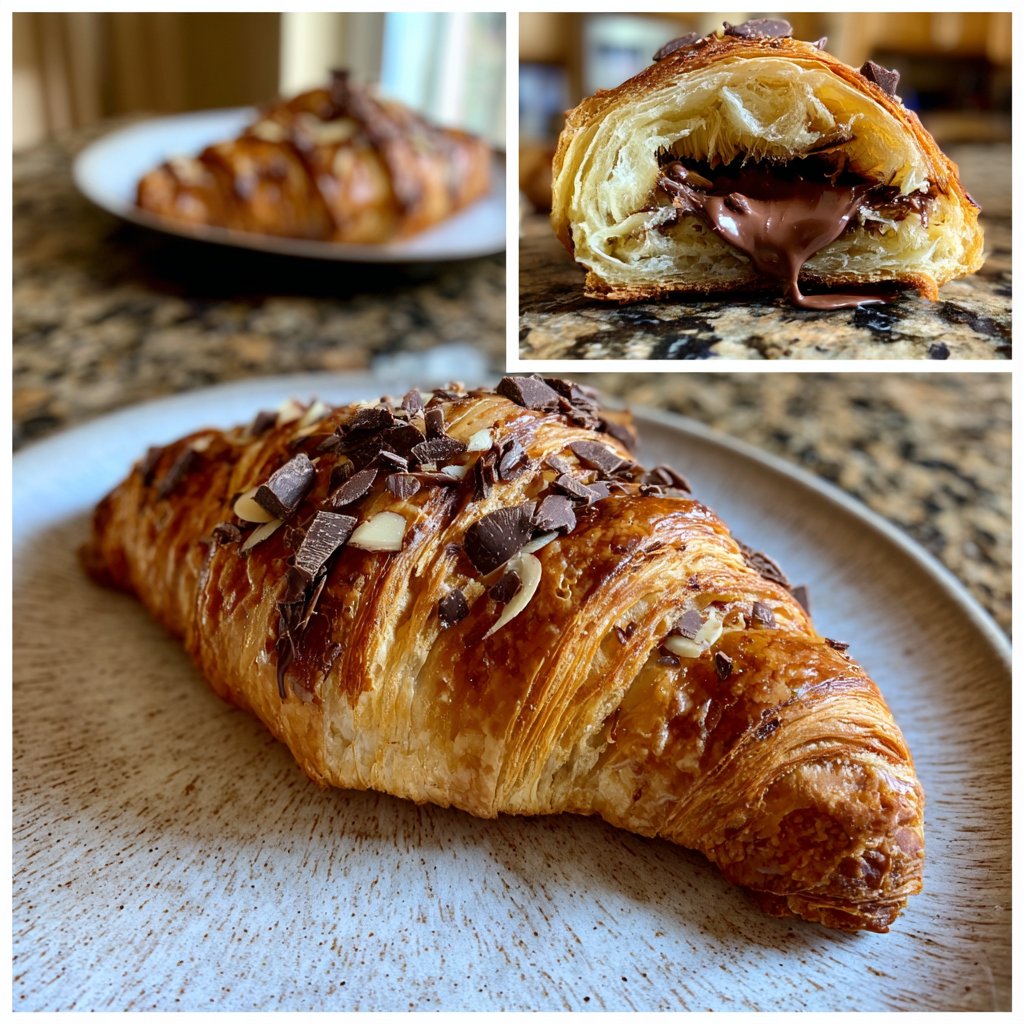
I’ve always adored the flaky, buttery goodness of croissants, and it’s been a dream of mine to perfect this recipe at home. After numerous attempts, I found that the secret lies in using cold butter and allowing the dough to rest adequately. This method enhances the layers and creates that irresistible texture. Each bite feels like a mini celebration. Join me as we dive into making these delicious croissants that will impress your family and friends!
As I embarked on my journey of croissant-making, I discovered how essential it is to keep your ingredients cold. A lot of people underappreciate the resting phase, but it truly makes a world of difference. When the dough rests, it allows gluten to relax, leading to a more tender texture.
Another tip I found invaluable was rolling the dough on a lightly floured surface. This not only prevents sticking but also ensures that the layers stay intact. It’s a careful dance of technique and patience that pays off big time!
Why You Will Love This Recipe
- Flaky layers that melt in your mouth
- Rich buttery flavor that's irresistible
- Perfect for breakfast or brunch gatherings
The Importance of Cold Butter
Using cold butter is a crucial element in achieving the perfect croissant texture. It helps create those flaky layers as the butter melts during baking, releasing steam that lifts the dough. I recommend cutting your butter into cubes and chilling it in the freezer for about 15-20 minutes before incorporating it into the dough. This step ensures that the butter stays intact during the rolling and folding process, which is essential for layered pastry.
Additionally, using unsalted butter allows you to control the salt content of your croissants more accurately. If you prefer a hint of flavor, feel free to use a high-quality salted butter, but cut back on the added salt in the dough to avoid overpowering the butter's richness. Perfect butter is one of the defining characteristics of a great croissant.
Mastering the Rolling and Folding Technique
The rolling and folding technique, also known as laminating, is what creates the distinct layers in your croissants. Each turn you make further develops the flakiness and texture. Aim for a consistent thickness while rolling out the dough, which should be about 1/4 inch. Uneven thickness can lead to irregular baking results. If the dough becomes too warm while rolling, wrap it and return it to the fridge for a quick chill before continuing.
After each fold, allow the dough to rest in the refrigerator for at least 30 minutes. This resting period not only helps with gluten relaxation but also ensures that the butter remains chilled, preventing it from melting into the dough. A well-done laminating process can take your homemade croissants from ordinary to extraordinary.
Ingredients
Ingredients
For the Croissant Dough
- 500g all-purpose flour
- 60g sugar
- 10g salt
- 10g instant yeast
- 300ml cold water
- 250g unsalted cold butter
For the Egg Wash
- 1 large egg
- 1 tablespoon milk
Make sure to measure the ingredients accurately for the best results!
Instructions
Instructions
Prepare the Dough
In a mixing bowl, combine flour, sugar, salt, and yeast. Gradually add cold water and mix until a dough forms. Knead for about 5 minutes until smooth. Shape the dough into a ball, wrap in plastic, and refrigerate for 1 hour.
Incorporate the Butter
While the dough is resting, shape the cold butter into a flat rectangle, about 1 cm thick. Once the dough has rested, roll it out into a rectangle. Place the butter in the center and fold the dough over to encase the butter.
Roll and Fold
Roll the dough out into a larger rectangle, then fold it into thirds like a letter. This is called a turn. Repeat this rolling and folding process three times, refrigerating for 30 minutes between each turn.
Shape the Croissants
After the final turn, roll the dough out and cut it into triangles. Starting from the wider end, roll each triangle up tightly and place the croissants on a baking sheet. Let them rise for 1 hour.
Bake
Preheat your oven to 200°C (400°F). Whisk together the egg and milk, then brush the mixture over the croissants. Bake for 20-25 minutes until golden brown. Enjoy your fresh croissants!
Let the croissants cool for a few minutes before serving.
Pro Tips
- For extra flaky croissants, don't skip the chilling steps and avoid overworking the dough.
Serving and Enjoying Your Croissants
Freshly baked croissants are best enjoyed warm, straight from the oven. Their flaky texture and buttery aroma will elevate your breakfast or brunch gathering. Serve them plain, or add a touch of elegance with a side of homemade preserves or a dollop of whipped cream. You can also use these croissants to create a delicious breakfast sandwich filled with eggs and cheese for a heartier option.
If you want to impress your guests further, try filling some croissants with almond paste or chocolate before rolling them up. Just be cautious not to overfill, as this can prevent them from rising properly. One or two tablespoons of filling is perfect. Variations can bring a delightful twist to this classic recipe while still maintaining that iconic croissant flavor.
Make-Ahead and Storage Tips
If you're planning for a busy morning, prepare the croissant dough a day in advance. After completing the rolling and folding process, shape the croissants and place them on the baking sheet. Cover them tightly with plastic wrap and refrigerate overnight. The next morning, simply let them rise at room temperature for about an hour before baking. This allows the yeast to activate, giving you perfectly airy croissants without an early morning rush.
For longer storage, consider freezing the shaped, unbaked croissants. Place them on a baking sheet to freeze until solid, then transfer to a resealable bag for up to a month. When you're ready to bake, no need to thaw; simply place them directly in the preheated oven and add a few extra minutes to the baking time. This method ensures you always have fresh croissants ready to enjoy at a moment's notice.
Questions About Recipes
→ Can I freeze croissants?
Yes, you can freeze croissants before baking. Just shape them and freeze on a baking sheet before transferring to a container.
→ How should I store leftover croissants?
Store baked croissants in an airtight container at room temperature for up to 2 days.
→ Can I use whole wheat flour?
Yes, you can substitute half of the all-purpose flour with whole wheat flour, though it may alter the texture slightly.
→ What if my dough is too sticky?
If the dough is too sticky, sprinkle a little extra flour while rolling out, but be careful not to add too much.

Croissant Recipes at Home
Created by: Noelle Chambers
Recipe Type: Cakes & Sweet Treats
Skill Level: Intermediate
Final Quantity: 12 croissants
What You'll Need
For the Croissant Dough
- 500g all-purpose flour
- 60g sugar
- 10g salt
- 10g instant yeast
- 300ml cold water
- 250g unsalted cold butter
For the Egg Wash
- 1 large egg
- 1 tablespoon milk
How-To Steps
In a mixing bowl, combine flour, sugar, salt, and yeast. Gradually add cold water and mix until a dough forms. Knead for about 5 minutes until smooth. Shape the dough into a ball, wrap in plastic, and refrigerate for 1 hour.
While the dough is resting, shape the cold butter into a flat rectangle, about 1 cm thick. Once the dough has rested, roll it out into a rectangle. Place the butter in the center and fold the dough over to encase the butter.
Roll the dough out into a larger rectangle, then fold it into thirds like a letter. This is called a turn. Repeat this rolling and folding process three times, refrigerating for 30 minutes between each turn.
After the final turn, roll the dough out and cut it into triangles. Starting from the wider end, roll each triangle up tightly and place the croissants on a baking sheet. Let them rise for 1 hour.
Preheat your oven to 200°C (400°F). Whisk together the egg and milk, then brush the mixture over the croissants. Bake for 20-25 minutes until golden brown. Enjoy your fresh croissants!
Extra Tips
- For extra flaky croissants, don't skip the chilling steps and avoid overworking the dough.
Nutritional Breakdown (Per Serving)
- Calories: 210 kcal
- Total Fat: 13g
- Saturated Fat: 8g
- Cholesterol: 30mg
- Sodium: 150mg
- Total Carbohydrates: 21g
- Dietary Fiber: 1g
- Sugars: 1g
- Protein: 4g